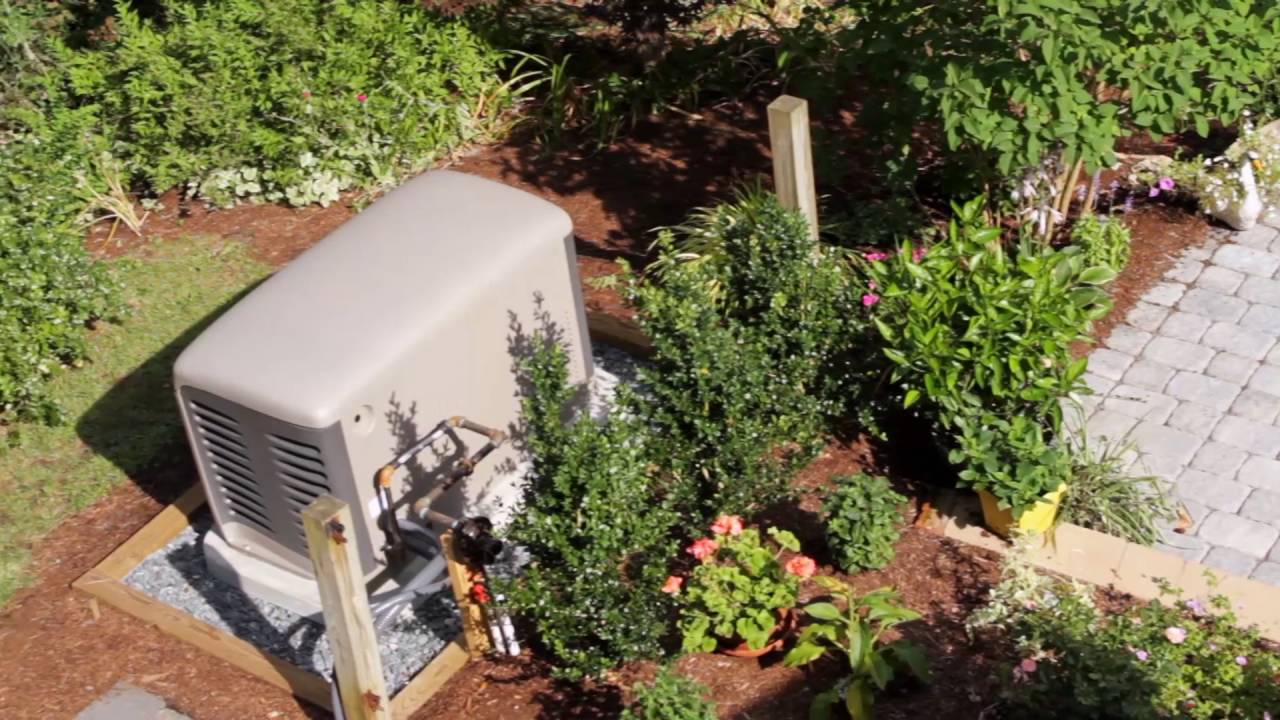
Whole-House Generators and Installation in Dayton, Columbus and Central Ohio
Power For Everything You Need. When You Need It
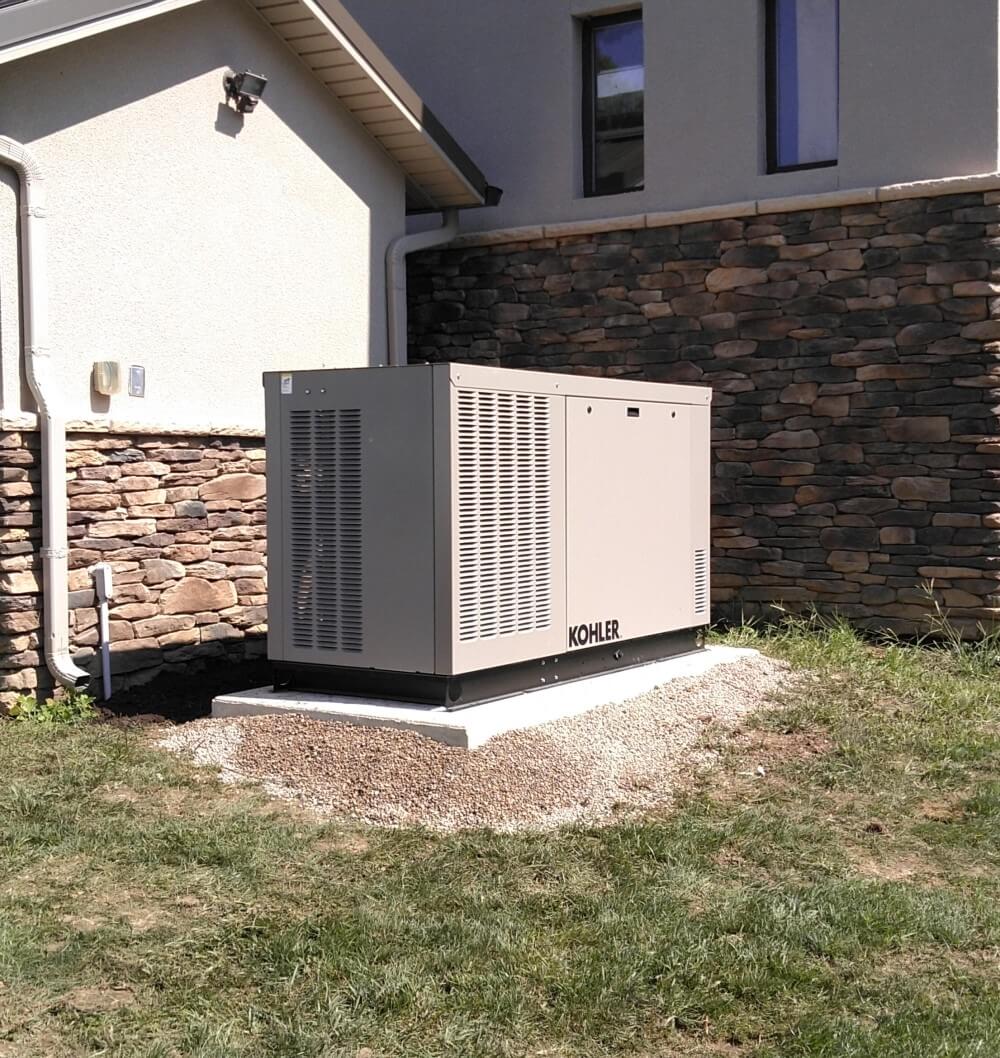
There are countless ways in which a home’s power can go out, including a local electrical grid that becomes overloaded, natural disasters and all types of severe weather.
Residential electricity is no longer thought of as a luxury, because these days it truly is an everyday necessity. Without a reliable alternative source of electricity when your power goes out, your refrigerated food will go bad, you’ll lose connection to the Internet, and many other vital mechanical systems throughout your property like your security system can stop functioning properly.
Having a backup power source is why many homeowners choose to invest in traditional standby generators, but in recent years there have been many technological advancements that have lead to whole-house backup generators.
Whole-house generators provide the ultimate amount of electrical reliability and protection during power outages, and below we’ll be going over the difference between whole-house generators and standby generators, the common benefits associated with whole-house generators, some of the most significant reasons why you should consider purchasing a whole-house generator, and our three-step guide in how to go about choosing the right whole-house generator for your home!
There are countless ways in which a home’s power can go out, including a local electrical grid that becomes overloaded, natural disasters and all types of severe weather.
Residential electricity is no longer thought of as a luxury, because these days it truly is an everyday necessity. Without a reliable alternative source of electricity when your power goes out, your refrigerated food will go bad, you’ll lose connection to the Internet, and many other vital mechanical systems throughout your property like your security system can stop functioning properly.
Having a backup power source is why many homeowners choose to invest in traditional standby generators, but in recent years there have been many technological advancements that have lead to whole-house backup generators.
Whole-house generators provide the ultimate amount of electrical reliability and protection during power outages, and below we’ll be going over the difference between whole-house generators and standby generators, the common benefits associated with whole-house generators, some of the most significant reasons why you should consider purchasing a whole-house generator, and our three-step guide in how to go about choosing the right whole-house generator for your home!
The Main Differences Between Whole-House Generators and Traditional Standby Generators
It’s really common for homeowners to be confused about the differences between whole-house generators and standby generators, because they essentially perform the exact same function!
But the truth is that whole-house generators are much more powerful than traditional generators, and traditional backup generators typically aren’t capable of powering everything within a residential property simultaneously.
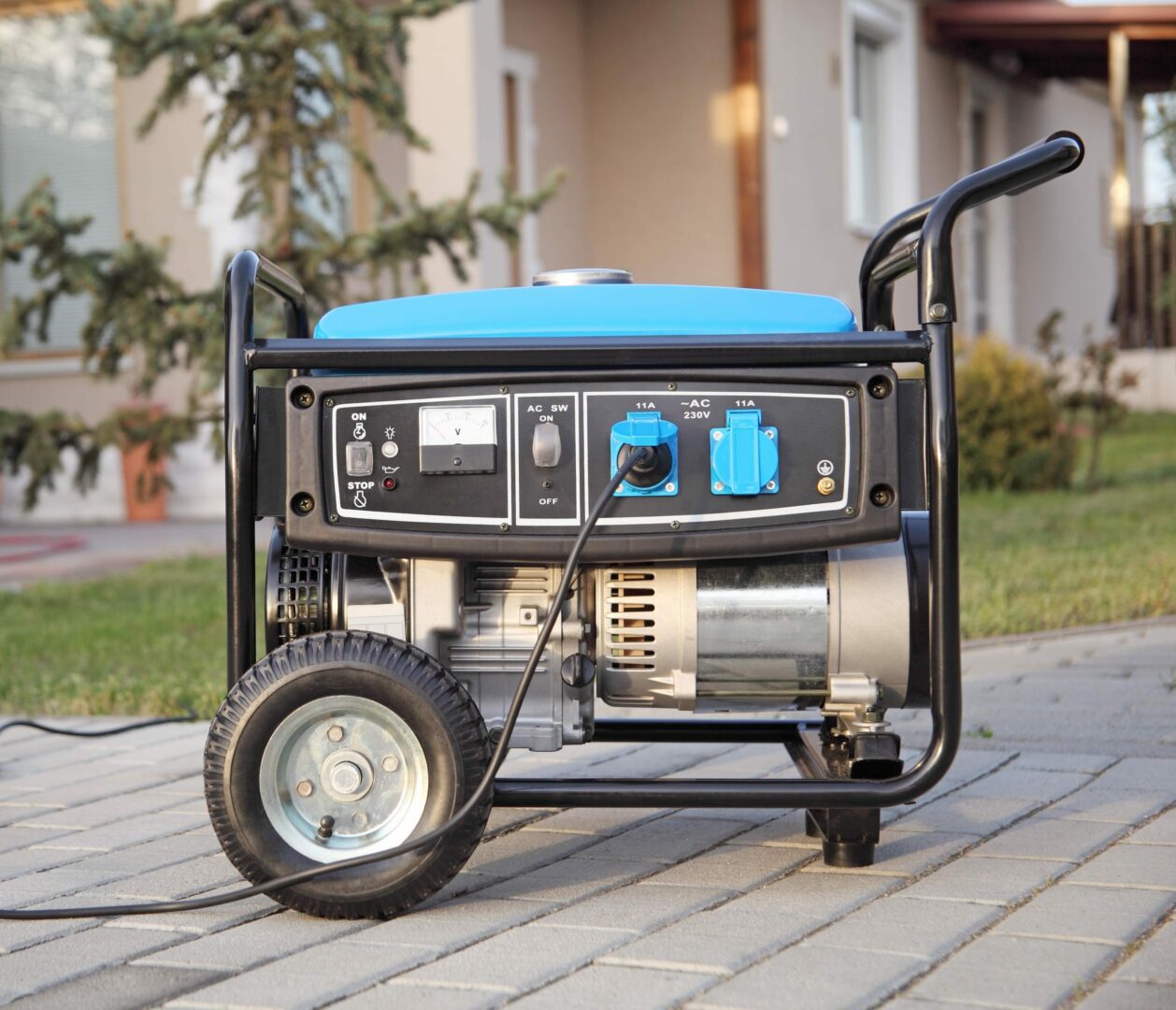
Traditional portable generators
Utilize a kilowatt (kW) range of about 5-10kW, so they are sometimes powerful enough to provide electricity for smaller homes for short periods of time. They typically will provide enough power to support a home’s refrigerator, air conditioner, sump pump, and other critical appliances; however, they fail to fully back up larger homes and aren’t capable of running for extended time periods. They are not rated for continuous duty, do not provide clean power, and are not suited for sensitive electronics. They are also not automatic and need to be manually started, stopped, and fueled.
Whole-house generators
Utilize a significantly larger kilowatt range, which typically coincides within 10-20kW with larger available. This added amount of power goes a very long way in terms of making homeowners feel more rest assured that they won’t have to make any difficult choices in terms of what appliances they’ll be able to run during a power outage.

What truly differentiates whole-house generators from any of their counterparts is that your home will retain full functionality for extended periods of time, so it will truly feel as though nothing has happened when you are in fact experiencing a power outage!
The Main Differences Between Whole-House Generators and Traditional Standby Generators
It’s really common for homeowners to be confused about the differences between whole-house generators and standby generators, because they essentially perform the exact same function!
But the truth is that whole-house generators are much more powerful than traditional generators, and traditional backup generators typically aren’t capable of powering everything within a residential property simultaneously.
Traditional portable generators
Utilize a kilowatt (kW) range of about 5-10kW, so they are sometimes powerful enough to provide electricity for smaller homes for short periods of time. They typically will provide enough power to support a home’s refrigerator, air conditioner, sump pump, and other critical appliances; however, they fail to fully back up larger homes and aren’t capable of running for extended time periods. They are not rated for continuous duty, do not provide clean power, and are not suited for sensitive electronics. They are also not automatic and need to be manually started, stopped, and fueled.
Whole-house generators
Utilize a significantly larger kilowatt range, which typically coincides within 10-20kW with larger available. This added amount of power goes a very long way in terms of making homeowners feel more rest assured that they won’t have to make any difficult choices in terms of what appliances they’ll be able to run during a power outage.
What truly differentiates whole-house generators from any of their counterparts is that your home will retain full functionality for extended periods of time, so it will truly feel as though nothing has happened when you are in fact experiencing a power outage!
Benefits Of Whole-House Generators
The following are some of the benefits associated with whole-house generators:
Much Better
Continuous Duty Engine
It’s important for homeowners to understand that there is a drastic difference between the engines found in traditional standby generators and whole-house generators. Whereas a traditional standby generator has a noisy engine much like your lawnmower, whole-house generators have engines that are designed for long term quiet operation.
The OnCue App
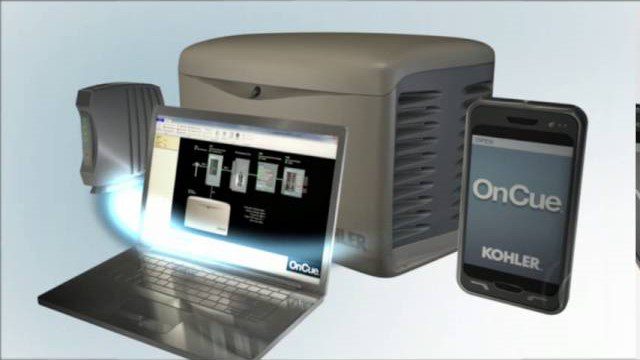
The OnCue Plus Generator Management System allows homeowners to remotely control and monitor their whole-house generator with just the click of a smartphone, so you’ll be able to easily manage the entire system. This includes the automatic transfer switch, the load control module, the programmable interface module and other added accessories.
Less Noise
The reason why whole-house generators are less noisy as compared to traditional standby generators due to sound deadening enclosure and a sophisticated exhaust system.
Fuel-Efficient
Whole-house generators are also very eco-friendly and provide several fuel options including liquid propane, natural gas and diesel.
Improved A/C Shedding
Options and Load Management
The programming within whole-house generators is very sophisticated, so you’ll have more control over how the generator conducts its own load management and how it ultimately provides for your household during an extended outage.
Backs Up Your Entire
Household
As we mentioned in the above section, whole-house generators live up to their name and are reliable electrical sources for your entire home during power outages. This is much different as compared to traditional standby generators that tend to only be capable of backing up your home’s most essential circuits.
No Homeowner Maintenance
Whole-house generators are also much more durable as compared to traditional standby generators. But you can have much more peace of mind knowing that your whole-house generator will retain its efficiency and reliability for many years with with regularly scheduled routine maintenance from Garber!
Benefits Of Whole-House Generators
The following are some of the benefits associated with whole-house generators:
Much Better
Continuous Duty Engine
It’s important for homeowners to understand that there is a drastic difference between the engines found in traditional standby generators and whole-house generators. Whereas a traditional standby generator has a noisy engine much like your lawnmower, whole-house generators have engines that are designed for long term quiet operation.
The OnCue App
The OnCue Plus Generator Management System allows homeowners to remotely control and monitor their whole-house generator with just the click of a smartphone, so you’ll be able to easily manage the entire system. This includes the automatic transfer switch, the load control module, the programmable interface module and other added accessories.
Less Noise
The reason why whole-house generators are less noisy as compared to traditional standby generators due to sound deadening enclosure and a sophisticated exhaust system.
Fuel-Efficient
Whole-house generators are also very eco-friendly and provide several fuel options including liquid propane, natural gas and diesel.
Improved A/C Shedding
Options and Load Management
The programming within whole-house generators is very sophisticated, so you’ll have more control over how the generator conducts its own load management and how it ultimately provides for your household during an extended outage.
Backs Up Your Entire
Household
As we mentioned in the above section, whole-house generators live up to their name and are reliable electrical sources for your entire home during power outages. This is much different as compared to traditional standby generators that tend to only be capable of backing up your home’s most essential circuits.
No Homeowner Maintenance
Whole-house generators are also much more durable as compared to traditional standby generators. But you can have much more peace of mind knowing that your whole-house generator will retain its efficiency and reliability for many years with with regularly scheduled routine maintenance from Garber!
Don't Wait Until The Lights Go Out! Call Garber Today And Thank Yourself Later.

Your life won’t wait for weather! Did you know we provide commercial, residential, and agricultural generator services? The generators we install and maintain come in a variety of sizes to fit your home or business.
Any business or home would benefit from a standby generator. Not only do they keep your power on and your business open during an outage, they also come on automatically when the power goes out. Which means you can rest easy, 24 hours a day, 365 days a year.
Your life won’t wait for weather! Did you know we provide commercial, residential, and agricultural generator services? The generators we install and maintain come in a variety of sizes to fit your home or
Our generators are typically installed outside your business or home like an AC unit. Smaller generators run on propane or natural gas, so there’s no refueling necessary! Larger units run on diesel fuel supplied from a tank mounted on the generator.
- Peace of mind
- Backup power
- Apps notify you when your generator starts and stops
- Maintenance plans available

Don't Wait Until The Lights Go Out! Call Garber Today And Thank Yourself Later.
Your life won’t wait for weather! Did you know we provide commercial, residential, and agricultural generator services? The generators we install and maintain come in a variety of sizes to fit your home or business.
Any business or home would benefit from a standby generator. Not only do they keep your power on and your business open during an outage, they also come on automatically when the power goes out. Which means you can rest easy, 24 hours a day, 365 days a year.
Our generators are typically installed outside your business or home like an AC unit. Smaller generators run on propane or natural gas, so there’s no refueling necessary! Larger units run on diesel fuel supplied from a tank mounted on the generator.
- Peace of mind
- Backup power
- Apps notify you when your generator starts and stops
- Maintenance plans available
Generator Maintenance Plan
Garber Electrical Contractors has many satisfied customers on our Generator Maintenance Plans throughout the Ohio and Indiana area.
- Automatic maintenance scheduling
- Automatic maintenance alerts in the event of problems
- Priority service and scheduling
- Verification of proper engine and generator operation
- The highest quality oil, genuine OEM oil filters, including one oil and filter change per annual period
- OEM air filter inspection and/or replacement as necessary
- Verification of correct voltage and frequency output from the generator
- Inspection of battery condition
- 25 point check list
- During the warranty period we will automatically address any warranty related issues identified during our maintenance calls
- After the warranty has expired, we will advise you of our findings for your consideration
Generator Maintenance Plan
Garber Electrical Contractors has many satisfied customers on our Generator Maintenance Plans throughout the Ohio and Indiana area.
- Automatic maintenance scheduling
- Automatic maintenance alerts in the event of problems
- Priority service and scheduling
- Verification of proper engine and generator operation
- The highest quality oil, genuine OEM oil filters, including one oil and filter change per annual period
- OEM air filter inspection and/or replacement as necessary
- Verification of correct voltage and frequency output from the generator
- Inspection of battery condition
- 25 point check list
- During the warranty period we will automatically address any warranty related issues identified during our maintenance calls
- After the warranty has expired, we will advise you of our findings for your consideration
Significant Reasons Why You Should Consider Purchasing A Whole-House Generator
There’s no doubt about it that whole-house generators can be pretty expensive home improvement investments, which is why homeowners really should be carefully weighing out all of their options in terms of exactly why this type of high quality generator is a good idea for their household. Whole home generators give you peace of mind by providing reliable power 24/7 even if your not home.
There are several rather significant reasons why a homeowner should consider purchasing a whole-house generator, so what we’ve done is outline a handful of the reasons that you should keep in mind below:

Medical Equipment
Whole-house generators are absolutely critical for any individuals that require medical devices like oxygen machines, in-home dialysis, a power lift, respiratory equipment and so much more.
So if anyone in your household requires any extensive type of medical equipment, then a reliable whole-house generator truly is a necessity.

The Location Of Your Home
There are many areas that simply undergo frequent heavy storms and subsequent power outages, and there are other instances in which specific neighborhoods and areas experience unreliable electrical performance.
This is why your home’s physical location can play a major factor in whether or not you need a powerful residential generator.

Well Operation
If your home utilizes a well that requires electricity to pump the water throughout your household, then it will be very necessary to have a whole-house generator during power outages.

Simply Never Being Without Power
It’s sometimes easy to forget just how nice it is to never have to worry about your electricity cutting out, and this truly is a wonderful luxury that every household should strongly consider.
When you have a whole-house generator, you won’t have to worry about lighting candles and having a hidden supply of flashlights just to get around your home, and the basic necessities throughout your household will always be protected.

Protecting Your Freezer/Refrigerator And Appliances
When your home’s generator is extremely powerful, you can better know that your refrigerator/freezer food supply won’t go bad or melt. This is of course a really important factor for every household, but another consideration you have to keep in mind is that sudden electrical surges can always pose a serious threat to your home’s appliances and delicate electronics.
With whole-house generators, you can always know that your appliances and electronics will always be safe when your electricity goes out and is restored!

Other Associated Costs
There are many instances during extended power outages in which households must go to a hotel and go out for their meals until their home’s power is restored. Having a powerful residential generator can help homeowners avoid many other costs that they otherwise couldn’t!
Significant Reasons Why You Should Consider Purchasing A Whole-House Generator
There’s no doubt about it that whole-house generators can be pretty expensive home improvement investments, which is why homeowners really should be carefully weighing out all of their options in terms of exactly why this type of high quality generator is a good idea for their household. Whole home generators give you peace of mind by providing reliable power 24/7 even if your not home.
There are several rather significant reasons why a homeowner should consider purchasing a whole-house generator, so what we’ve done is outline a handful of the reasons that you should keep in mind below:
Medical Equipment
Whole-house generators are absolutely critical for any individuals that require medical devices like oxygen machines, in-home dialysis, a power lift, respiratory equipment and so much more.
So if anyone in your household requires any extensive type of medical equipment, then a reliable whole-house generator truly is a necessity.
The Location Of Your Home
There are many areas that simply undergo frequent heavy storms and subsequent power outages, and there are other instances in which specific neighborhoods and areas experience unreliable electrical performance.
This is why your home’s physical location can play a major factor in whether or not you need a powerful residential generator.
Well Operation
If your home utilizes a well that requires electricity to pump the water throughout your household, then it will be very necessary to have a whole-house generator during power outages.
Simply Never Being Without Power
It’s sometimes easy to forget just how nice it is to never have to worry about your electricity cutting out, and this truly is a wonderful luxury that every household should strongly consider.
When you have a whole-house generator, you won’t have to worry about lighting candles and having a hidden supply of flashlights just to get around your home, and the basic necessities throughout your household will always be protected.
Protecting Your Freezer/Refrigerator And Appliances
When your home’s generator is extremely powerful, you can better know that your refrigerator/freezer food supply won’t go bad or melt. This is of course a really important factor for every household, but another consideration you have to keep in mind is that sudden electrical surges can always pose a serious threat to your home’s appliances and delicate electronics.
With whole-house generators, you can always know that your appliances and electronics will always be safe when your electricity goes out and is restored!
Other Associated Costs
There are many instances during extended power outages in which households must go to a hotel and go out for their meals until their home’s power is restored. Having a powerful residential generator can help homeowners avoid many other costs that they otherwise couldn’t!
Our Three-Step Guide To Choosing The Right Whole-House Generator For Your Home
The Garber Electric team will always be there for your when you’re weighing your best generator options for your home, and below are three important considerations that you’ll need to keep in mind during this home improvement investment process:
Our Three-Step Guide To Choosing The Right Whole-House Generator For Your Home
The Garber Electric team will always be there for your when you’re weighing your best generator options for your home, and below are three important considerations that you’ll need to keep in mind during this home improvement investment process:

Choosing A Source Of Fuel

Choosing The Right Size

Choosing A Transfer Switch
Garber Electric's Loan Program Is Here To Help Our Customers Finance A Whole-House Generator Investment
It’s also important for homeowners to know about Garber Electric’s Loan Program that helps making whole-house generator purchases, as well as the costs of any home improvement project, coincide with a family’s budget. Making our services and equipment affordable through our loan program is something that we take seriously, and this is because we want your home improvement financing to be able to fit your needs and be completely stress-free from a financing standpoint.
We’ve made sure that our loan program is very simplified, and this is because we want to make it as easy as possible for you to protect you and your household through our state-of-the-art generator technology. We’re providing affordable, budget-friendly options and deferred interest promotions to better ensure that your next home improvement project/investment is convenient and not a major expense that you need to worry about.
Some of the benefits associated with Garber Electric’s Loan Program include the following:
- Fast approvals that will jumpstart your project’s financing and more efficiently provide you with our services/results.
- Friendly customer service that will always go above and beyond to exceed your expectations by helping you better understand your financing options.
- Multiple different payment processes to help make your payments as easy and as convenient as possible.
- Affordable payment options that make these loans and our cutting-edge equipment/services more available for everyone!
Applying for a loan with Garber Electric entails a quick, paperless application process that’s easy for everyone. You can either apply online or call us at the two office numbers listed below!
Garber Electric's Loan Program Is Here To Help Our Customers Finance A Whole-House Generator Investment
It’s also important for homeowners to know about Garber Electric’s Loan Program that helps making whole-house generator purchases, as well as the costs of any home improvement project, coincide with a family’s budget. Making our services and equipment affordable through our loan program is something that we take seriously, and this is because we want your home improvement financing to be able to fit your needs and be completely stress-free from a financing standpoint.
We’ve made sure that our loan program is very simplified, and this is because we want to make it as easy as possible for you to protect you and your household through our state-of-the-art generator technology. We’re providing affordable, budget-friendly options and deferred interest promotions to better ensure that your next home improvement project/investment is convenient and not a major expense that you need to worry about.
Some of the benefits associated with Garber Electric’s Loan Program include the following:
- Fast approvals that will jumpstart your project’s financing and more efficiently provide you with our services/results.
- Friendly customer service that will always go above and beyond to exceed your expectations by helping you better understand your financing options.
- Multiple different payment processes to help make your payments as easy and as convenient as possible.
- Affordable payment options that make these loans and our cutting-edge equipment/services more available for everyone!
Applying for a loan with Garber Electric entails a quick, paperless application process that’s easy for everyone. You can either apply online or call us at the two office numbers listed below!
Reach Out To The Experts At Garber Electric To Learn More About Our Whole-House Generator Inventory!
Garber Electric has been helping countless homes and businesses with their generators for many years now, and we’ll be more than happy to guide you through this home improvement investment process.
Reach Out To The Experts At Garber Electric To Learn More About Our Whole-House Generator Inventory!
Garber Electric has been helping countless homes and businesses with their generators for many years now, and we’ll be more than happy to guide you through this home improvement investment process.