
Why Power Outages Are More Than Just an Inconvenience
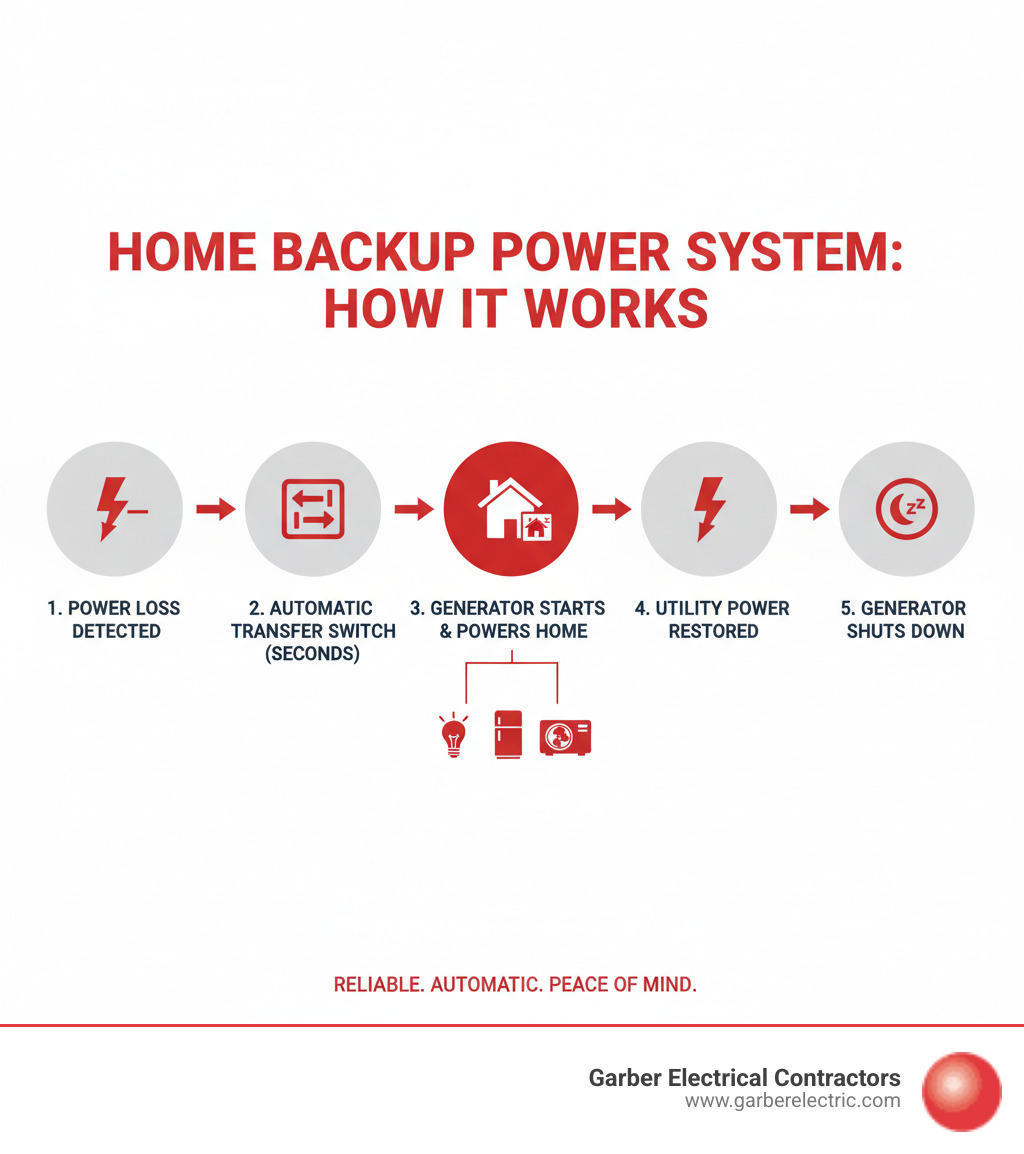
A house backup generator is a permanently installed system that automatically powers your home during an outage. Running on natural gas, propane, or diesel, it starts within seconds of detecting power loss, keeping your entire home operational until utility power is restored.
Quick Comparison: Your Backup Power Options
| Feature | Standby Generator | Portable Generator |
|---|---|---|
| Activation | Automatic (within 10 seconds) | Manual start required |
| Power Coverage | Whole house or selected circuits | Limited to extension cords |
| Fuel Source | Natural gas, propane, or diesel | Gasoline (requires refueling) |
| Installation | Permanent, professional required | Plug and play |
| Cost | $3,500-$26,000+ installed | $500-$3,000 |
Power outages are more than an inconvenience; they can cause serious financial loss. Spoiled food, lost work, burst pipes, and water damage can cost thousands. An extended outage might even force you into a hotel while your home is cold and dark.
A house backup generator is essential for protecting your family’s safety, comfort, and security. It keeps critical systems running—like heating, cooling, refrigeration, sump pumps, medical equipment, and security—so life continues uninterrupted.
The investment can pay for itself after one major outage, providing peace of mind that your home is protected 24/7, whether you’re home or away.
Why a Backup Generator is a Smart Investment for Your Home
When the power goes out in Ohio, Kentucky, or Indiana, it’s more than an annoyance—it can be costly and unsafe. A house backup generator is a smart investment that protects your family, home, and finances.
During an outage, your home becomes vulnerable. Security systems and exterior lights go dark, and communication devices lose power. A generator keeps these critical systems running, securing your home around the clock, even when you’re away.
Comfort quickly becomes a safety issue in extreme weather. A generator keeps your HVAC systems running, preventing dangerous cold during an Ohio winter or oppressive heat in a Kentucky summer. This is especially vital for households with young children or elderly family members. For those who rely on powered medical equipment, such as oxygen concentrators or refrigerated medications, a generator provides the continuous, life-sustaining power they need.
The financial risks of an outage are significant. A power loss can lead to hundreds of dollars in spoiled food. In winter, it can cause frozen pipes to burst, leading to catastrophic water damage. If your sump pump loses power during a storm, you could face thousands in basement flooding and remediation costs. For remote workers, an outage means lost productivity and income. A single major outage can easily cost more than a generator installation.
To see how a backup system works, check out our guide on How a Whole House Backup Generator Keeps Your Home Running During Power Outages.
Furthermore, a professionally installed generator is a major selling point that can increase your home value. In competitive markets like Central Ohio, it signals to buyers that a home is protected and move-in ready. Learn more in our article on How Whole House Generators Add Value to Your Home in Central Ohio.
Standby vs. Portable Generators: What’s the Difference?
There are two main backup power options: standby and portable generators.
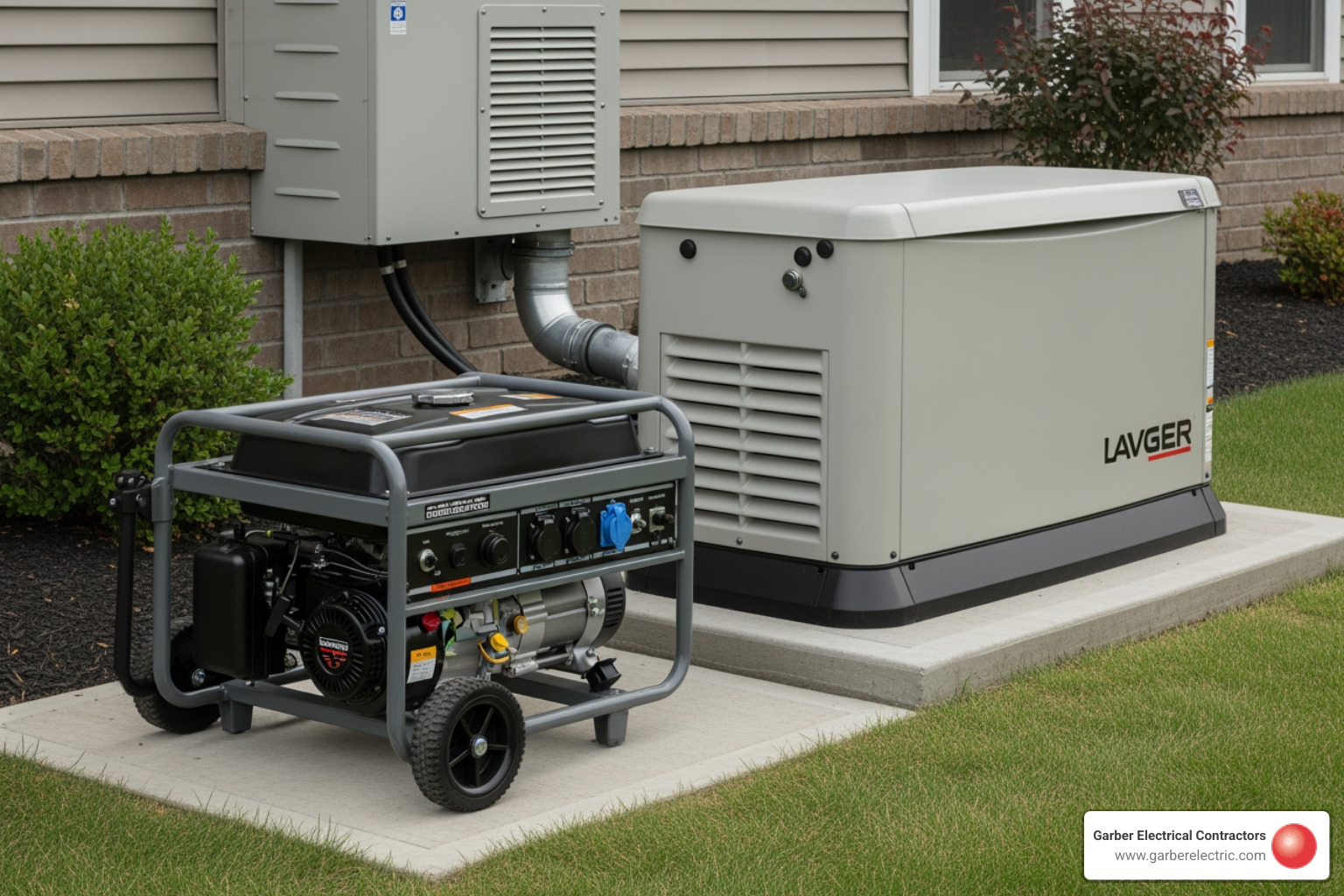
Standby generators are the permanent, automated solution. Installed outside your home like an AC unit, they are connected to your electrical system and a continuous fuel source like natural gas or propane. An automatic transfer switch detects a power outage, starts the generator, and transfers the power load in seconds. You might not even notice the outage occurred. These systems can power your entire home or just essential circuits, allowing life to continue as normal.
Portable generators are a manual, limited solution. They run on gasoline, requiring you to wheel them outside, start them (often with a pull cord), and run extension cords to a few appliances. They require constant refueling and careful handling.
Here’s how they stack up:
| Feature | Standby Generator | Portable Generator |
|---|---|---|
| Power Output | High (8kW to 60kW+), powers whole home or selected circuits | Low to moderate (1kW to 15kW), limited appliances only |
| Automation | Fully automatic, starts itself within seconds | Manual start, you do all the work |
| Fuel | Natural gas, propane, or diesel (connected to home supply) | Gasoline (requires manual refueling) |
| Installation | Permanent, needs professional electrician | Simple setup with extension cords |
| Cost | $3,500-$26,000+ installed | $500-$3,000 |
| Safety | Safer outdoor installation, some have automatic CO detection | Carbon monoxide risk if used improperly (a serious danger highlighted by the CDC’s generator safety guidelines), fuel storage hazards |
| Runtime | Days or weeks with continuous fuel supply | Limited by small fuel tank, frequent refueling needed |
| Noise Level | Generally quieter | Typically louder |
For comprehensive protection and true peace of mind, a house backup generator is the superior choice. It’s the difference between automatic, seamless protection and scrambling in the dark during an emergency.
How to Choose the Perfect House Backup Generator
Choosing the right house backup generator requires careful consideration of your home’s unique needs. Let’s walk through the key factors: sizing, fuel options, and essential features.
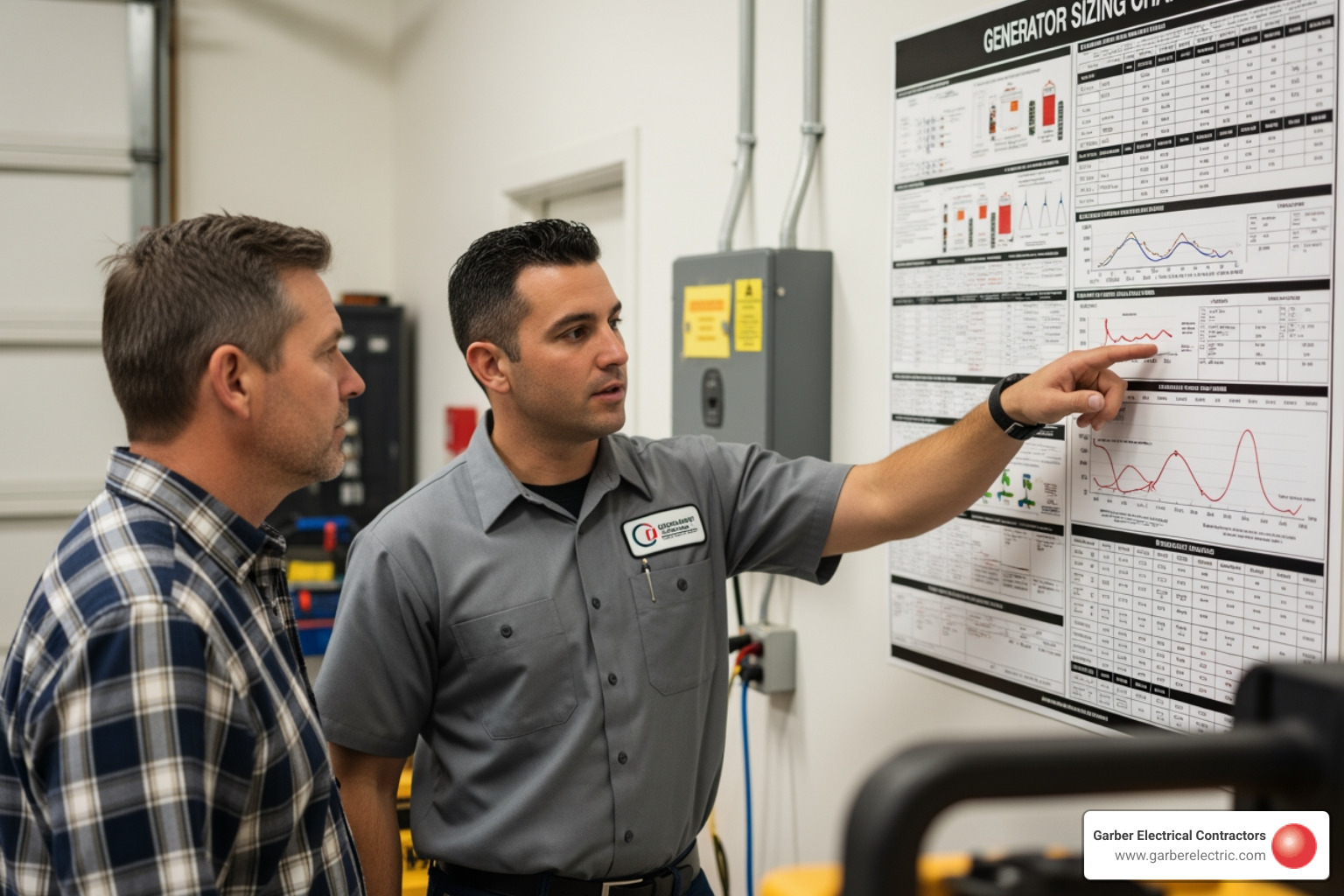
Selecting a generator is about matching its capacity to your power needs and budget. Your home’s size and the appliances you want to run are the primary drivers of this decision.
Sizing Your Generator for Your Home’s Needs
Proper sizing is the most critical step. An undersized generator won’t meet your needs, while an oversized one is an unnecessary expense.
First, decide what you want to power: just essential circuits or your whole house? Essentials typically include the refrigerator, furnace or AC, sump pump, and a few lights. Whole-house coverage means everything runs as normal.
To determine the right size, you must account for the wattage of each appliance. Large items like your HVAC system, well pump, or water heater are major power consumers. It’s also crucial to factor in any medical equipment that requires uninterrupted power. Many appliances also have a higher “starting wattage” than “running wattage,” which must be included in the calculation. Because of this complexity, we strongly recommend a professional assessment to ensure accurate sizing. Our experts at Garber Electrical Contractors can calculate your exact needs.
For more details, see our guides on What Size of Whole House Backup Generator Do You Need? and How to Size a Whole House Generator.
Fueling Your Power: Natural Gas, Propane, and Diesel
Your generator’s fuel source affects cost, maintenance, and runtime.
- Natural gas is the most convenient option if your home already has a gas line. It provides a continuous fuel supply, so you never have to refuel. It’s cost-effective and burns cleaner than diesel.
- Propane (LP) is a great alternative if natural gas isn’t available. Stored in a tank on your property, it offers a long shelf life and clean-burning operation. You’ll need space for the tank and to schedule refills, but it provides reliable, long-term power.
- Diesel generators are highly durable and fuel-efficient, though more common commercially. Diesel is energy-dense, but requires on-site fuel storage and stabilizers to prevent degradation. These units also produce more emissions. Learn more in our article on Pros and Cons of a Diesel Whole House Generator.
We’ll help you choose the best fuel type based on local availability, your property, and desired runtime.
Key Features to Look for in a House Backup Generator
Modern generators come with features that improve reliability and convenience.
- Automatic Transfer Switch (ATS): This is the brain of the system. It detects an outage, starts the generator, and transfers power automatically. When utility power returns, it reverses the process. This is the key feature of a standby generator.
- Power Output (kW): This must match the size calculated for your home’s needs, ensuring the generator can handle your electrical load.
- Noise Level (dB): Modern units are surprisingly quiet, often operating at or below 65 dB—similar to a central AC unit. Look for models with sound-dampening enclosures.
- Weatherproof Enclosure: A durable, corrosion-resistant enclosure is essential to protect the generator from harsh weather, from Ohio ice storms to summer rain.
- Remote Monitoring: Many generators offer Wi-Fi connectivity, allowing you to check status, receive alerts, and control functions from a smartphone app. This provides ultimate peace of mind, whether you’re home or away.
- Warranty: A strong warranty (typically 5-10 years for parts and labor) shows the manufacturer’s confidence in their product and protects your investment.
Explore these features further in our guide on 5 Features You Should Look For in the Best Standby Generator for Your Home.
Breaking down the choice into sizing, fuel, and features makes the process manageable. A professional consultation ensures you get the perfect system for your home.
The Installation and Ownership Journey
You’ve chosen your house backup generator—now it’s time for professional installation and a plan for long-term care. These steps ensure your generator is a reliable source of power for years to come.
The Installation Process for a House Backup Generator
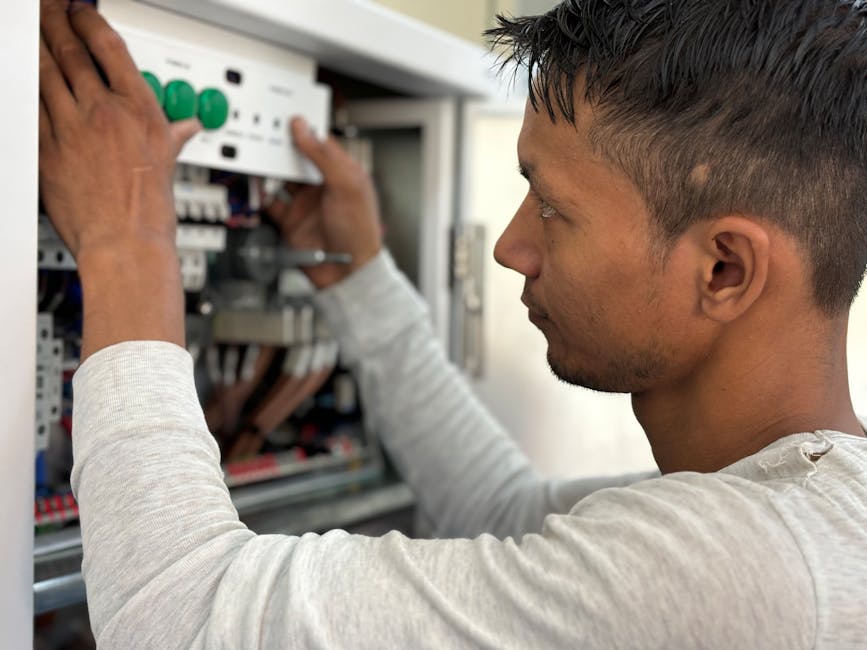
Installing a standby generator is a complex job for certified professionals, not a DIY project. Safety and reliability depend on correct installation.
The process includes:
- Site Assessment: We find the best location for the generator, considering noise, fuel lines, and local codes for placement.
- Foundation: We pour a concrete pad to provide a stable, level base for the unit.
- Electrical Wiring: Our electricians install the Automatic Transfer Switch (ATS) and connect the generator to your home’s electrical panel. The ATS is the brain that automatically manages power transfer during an outage, preventing dangerous back-feeding to utility lines.
- Fuel Line Connection: A licensed gas fitter safely connects the natural gas or propane line.
- Permits and Inspection: We handle all local permits and inspections in Ohio, Kentucky, and Indiana to ensure your system is fully compliant with all electrical, gas, and zoning codes.
The entire process usually takes one to two days. For more pre-installation tips, read our guide on 3 Factors to Keep in Mind Prior to Installing a Whole House Generator.
Keeping Your Generator Ready: Maintenance and Longevity
Like a car, your house backup generator needs regular maintenance to perform reliably. Modern generators are low-maintenance but do require some care.
Most units run automatic self-test cycles weekly or bi-weekly for a few minutes to keep components lubricated and ready. Beyond that, routine maintenance includes oil and filter changes, periodic battery checks, and coolant level inspections for liquid-cooled models. We also perform general inspections to clear debris and check for any issues.
Many homeowners opt for our professional service plans to ensure maintenance is done on schedule and the generator remains warranty-compliant. Our technicians can catch small issues before they become major problems.
With proper care, a quality generator can last 20 to 30 years or more, providing decades of protection. Learn more in The Maintenance Guide for Your Whole Home Generator and How Regular Maintenance Extends the Life of Your Whole House Backup Generator.
Understanding the Costs and Value
Investing in a house backup generator is a significant decision, so it’s important to understand the costs and long-term value. While there is an upfront investment, the protection and peace of mind it provides are often invaluable.
Breaking Down the Cost of a Whole-House Generator
The total cost of a generator system varies based on the size of the unit and the complexity of the installation. The main cost components include:
- The Generator Unit: Prices vary by power output (kW) and features. For example, a 13kW Cummins generator starts around $3,957 MSRP, while a 20kW unit is about $5,438 MSRP.
- Automatic Transfer Switch (ATS): This critical component may be included or priced separately.
- Installation Labor: This covers the work of certified electricians and licensed gas fitters who handle the complex wiring, fuel line connections, and system integration. Costs are influenced by the distance between the generator, electrical panel, and fuel source.
- Permits and Other Costs: This includes fees for local permits in Ohio, Kentucky, and Indiana, as well as the potential cost of a propane tank and its installation.
All-in, the investment can range from several thousand to tens of thousands of dollars. However, a single extended outage can cost thousands in spoiled food, burst pipes, water damage, or lost work. Many homeowners find their generator pays for itself after just one major weather event.
Beyond the financial return, the real value lies in knowing your family is safe, your home is protected, and critical medical equipment will always have power. For many, that peace of mind is priceless.
To better understand the costs for your home, read our guide: How Much Will You Really Pay in Terms of Whole House Generator Cost?. And to help weigh the decision, see Is a Whole House Generator Worth the Investment?.
We offer financing options to make reliable backup power more accessible. We can review plans that fit your budget during your consultation, so you can protect your home without breaking the bank.
Frequently Asked Questions about Home Generators
We’ve helped countless homeowners in Ohio, Kentucky, and Indiana with their backup power decisions. Here are answers to some of the most common questions.
How long will a standby generator power my home?
Runtime depends on your fuel source.
- A natural gas generator has a virtually unlimited runtime. As long as the utility gas line is active, your generator can run continuously for days or even weeks without refueling.
- A propane generator’s runtime is determined by the size of your on-site storage tank. A standard 500-gallon tank can power a home for several days, depending on your electrical load. Refills may be needed during very long outages.
- Diesel generators also depend on the size of your on-site fuel tank and will require refueling for prolonged use.
Being mindful of your energy consumption during an outage can help extend the runtime of any fuel source.
How loud are home standby generators?
Modern standby generators are surprisingly quiet. Unlike older, loud portable models, today’s house backup generators are engineered with sound-dampening enclosures and quiet engines.
Most high-quality units operate at around 65 decibels (dB) or less, which is comparable to a normal conversation or a central air conditioning unit. Many also feature a “quiet-test” mode that runs weekly self-checks at a lower, less noticeable RPM.
When we help you select a generator, we’ll review the specific decibel ratings to ensure you’re comfortable with the sound level.
Can I install a house backup generator myself?
While we admire the DIY spirit, generator installation is a job that must be left to certified professionals. This is for critical safety and performance reasons.
Installation involves high-voltage electrical work and connecting to natural gas or propane lines. Mistakes can lead to fire, electrocution, gas leaks, or dangerous “back-feeding” that can injure or kill utility workers. Licensed electricians and gas fitters are trained to prevent these hazards.
Furthermore, proper installation requires local permits and inspections to meet the National Electrical Code and local building codes. Professionals handle this complex process for you. Attempting a DIY installation will also almost certainly void the manufacturer’s warranty, leaving you responsible for any future repairs.
Our team at Garber Electrical Contractors has the training, tools, and experience to install your generator safely and correctly, ensuring your family’s protection and your system’s reliability from day one.
Secure Your Home’s Power Today
Weather in Ohio, Kentucky, and Indiana is unpredictable, but your home’s power supply doesn’t have to be. A house backup generator turns a potentially disruptive outage into a minor inconvenience.
This guide has shown how a standby generator automatically protects your home, family, and finances. It keeps your lights on, your HVAC running, and critical systems online, providing safety and comfort during an outage. It’s an investment in your home’s value and, most importantly, your peace of mind.
Choosing and installing the right generator requires professional expertise to ensure safety, reliability, and compliance with all local codes.
At Garber Electrical Contractors, we’ve been providing trusted solutions to families throughout Dayton, Columbus, Lewis Center, and the surrounding regions for years. Our team handles every detail, from consultation and sizing to expert installation and maintenance.
Don’t wait for the next storm. Let’s discuss how to protect your home with a reliable backup power solution. Contact us for your generator needs and find how simple it is to secure your home’s power today.