
Why Your Standby Generator Needs More Than Just Hope
Generator maintenance companies provide essential services to keep your backup power systems ready when you need them most. When the power goes out, your generator should start automatically—but that only happens if it’s been properly maintained.
What Generator Maintenance Companies Offer:
- Routine Inspections – Checking fuel, oil, batteries, filters, coolant, and all critical components
- Preventative Maintenance Plans – Monthly, quarterly, semi-annual, or annual service schedules
- Emergency Repairs – 24/7 response when your generator fails unexpectedly
- Load Bank Testing – Verifying your generator performs at full capacity under real-world conditions
- Compliance Services – Ensuring your system meets NFPA 110, CARB, and other regulatory standards
- Advanced Services – Fuel polishing, remote monitoring, switchgear maintenance, and system upgrades
Here’s a reality check: most generators fail because of improper maintenance, not equipment defects. When a residential generator isn’t performing adequately, it can impact your home’s safety during storms. For businesses, a failed generator during a power outage can mean thousands in lost revenue, spoiled inventory, or compromised operations.
Your generator is like any engine—it needs regular attention to run reliably. Factory-trained technicians perform comprehensive inspections covering everything from the cooling system to the automatic transfer switch. They catch small problems before they become expensive failures.
The good news? A well-maintained generator can provide decades of reliable service. The research shows that preventative maintenance extends equipment lifespan, reduces total cost of ownership, and gives you genuine peace of mind when severe weather strikes.
Why Preventative Maintenance is a Non-Negotiable Investment
Your standby generator represents a significant investment in your home or business. But here’s the thing: buying the generator is just the beginning. Without regular care from qualified generator maintenance companies, even the most expensive unit can fail when you need it most.
Think about what’s really at stake here. When severe weather rolls through Ohio or Kentucky and the power goes out, your generator needs to start automatically—every single time. That kind of reliability doesn’t happen by accident. It’s the result of consistent, professional maintenance that catches small issues before they become major problems.
The math is pretty straightforward. Regular maintenance extends the life of your whole house backup generator, reduces your total cost of ownership, and saves you from those expensive emergency repairs that always seem to happen during the worst storms. More importantly, it protects your family’s safety and gives you genuine peace of mind. When you consider all these factors, it’s clear why whole house generators are worth the investment—especially when they’re properly maintained.
The True Cost of a Failed Generator
Let’s paint a picture. It’s 2 AM on a January night in Dayton. An ice storm knocks out power across your neighborhood. Your generator should kick in automatically, but instead… nothing. Silence.
For homeowners, this scenario means more than just inconvenience. Your refrigerator and freezer start warming up—there goes hundreds of dollars in groceries. If someone in your family relies on medical equipment, the situation becomes genuinely dangerous. And when power eventually returns, the surge can damage expensive appliances like your HVAC system or electronics.
For businesses in Columbus or Englewood, a failed generator is even more costly. Business downtime losses add up fast—a restaurant loses perishable inventory, a data center risks losing critical information, a manufacturing facility grinds to a halt. We’re talking thousands of dollars per hour in some cases. Beyond the direct financial hit, there’s reputational damage when you can’t serve customers or meet deadlines.
The irony? Most generator failures are completely preventable. They happen because of neglected maintenance, not because the equipment was faulty. That’s why partnering with experienced generator maintenance companies isn’t optional—it’s essential for protecting both your investment and your peace of mind.
How Maintenance Boosts Lifespan and Efficiency
Your generator has an engine that works a lot like your car’s. It needs oil changes, filter replacements, and regular tune-ups to run reliably. Skip those basics, and you’re asking for trouble.
Here’s what regular maintenance actually does for your system. First, it ensures engine longevity by keeping everything properly lubricated and clean. Professional technicians perform oil analysis to catch contamination early, test coolant to prevent overheating, and inspect belts and hoses before they crack or fail.
The fuel system needs special attention too. Diesel fuel can deteriorate over time, leading to “wet stacking” that gunks up your engine. Gasoline can go stale and clog fuel lines. Maintenance includes testing fuel quality, cleaning or replacing filters, and checking all connections for leaks. These small steps prevent big headaches down the road.
Then there’s the electrical component health—batteries that need testing and replacement, wiring connections that can corrode, and the automatic transfer switch that has to work flawlessly when the power goes out. A comprehensive inspection catches these issues before they strand you in the dark.
The bottom line? A well-maintained generator delivers optimal performance for decades. Neglected generators might last only a few years before requiring major repairs or complete replacement. Want to know more specifics? Check out our guide on how long house generators last when properly cared for.
Taking care of your generator isn’t just about avoiding breakdowns—it’s about maximizing your return on investment and ensuring your backup power system is truly ready when you need it most.
What a Comprehensive Maintenance Program Includes
When most people think about generator maintenance, they picture someone changing the oil and calling it a day. But the reality? A truly comprehensive maintenance program from professional generator maintenance companies is far more sophisticated. It’s a carefully orchestrated combination of routine inspections, advanced diagnostics, and strategically scheduled service plans—all designed to catch problems before they become emergencies.
Essential Maintenance Checks: A 32-Point Inspection
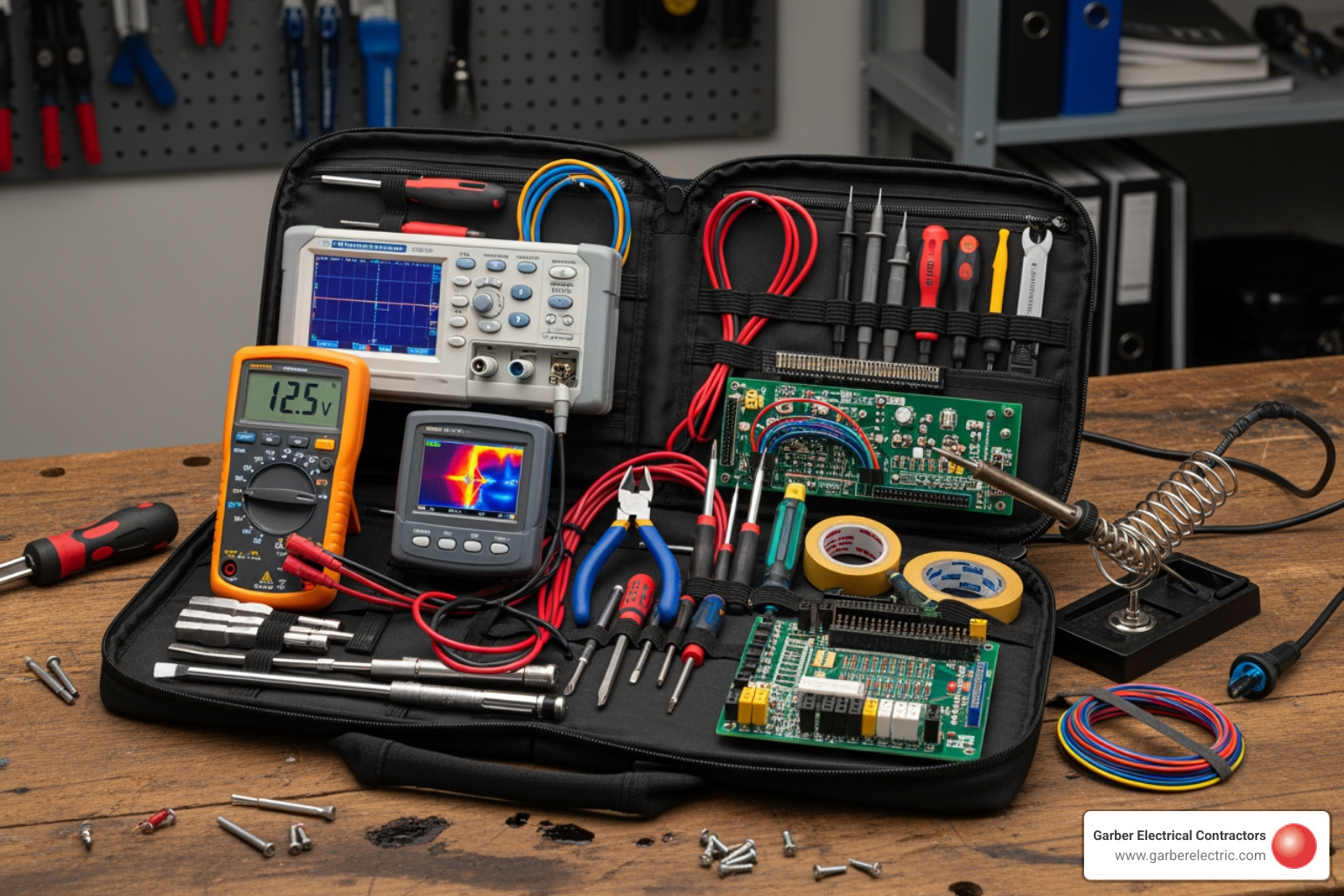
Our expert technicians don’t just glance at your generator and move on. We perform a detailed, multi-point inspection that covers every critical system. While the exact number of checkpoints can vary based on your specific equipment, a thorough inspection typically includes around 32 key areas.
Let’s walk through what we’re actually looking at during these visits. The cooling system gets careful attention—we check coolant levels, inspect hoses and belts for wear, examine the radiator, and verify the water pump is functioning properly. Overheating is one of the most common causes of generator failure, so keeping this system healthy is absolutely essential.
Your fuel system needs to be in perfect condition for reliable starts. We inspect fuel filters and lines, and for diesel units, we pay special attention to fuel quality. Contaminated or degraded fuel can cause expensive damage and leave you without power when you need it most.
The lubrication system keeps everything running smoothly—literally. We verify oil levels and, when necessary, perform oil analysis to detect wear metals or contamination early. Regular oil and filter changes are fundamental, but testing the oil itself tells us what’s happening inside the engine before problems become visible.
Here’s something many people overlook: your generator is completely useless if it won’t start. That’s why we thoroughly test the starting system, including batteries, the battery charger, starting motor, and all cables. We also inspect the exhaust system for leaks or blockages that could affect performance or create safety hazards.
The engine controls and safety shutdowns get verified to ensure all safety mechanisms and monitoring gauges respond correctly. Your Automatic Transfer Switch (ATS) receives special attention because it’s the brain that switches your power sources. We check all connections and test its response to simulated power outages.
We also examine the air induction system, inspect the power generator components (including brushes, slip rings, rotor, and stator), and—believe it or not—check for rodent infestation. You’d be surprised how much damage mice and other critters can cause by nesting in generators, chewing through wires, and blocking airflow. We clean out any debris or nesting material we find.
For a deeper dive into what goes into maintaining your whole home generator, check out our comprehensive guide: The Maintenance Guide for Your Whole Home Generator.
Advanced Services for Peak Performance
Beyond the essential inspections, modern generator maintenance includes specialized services that push your system’s performance and longevity to the next level.
Load bank testing is one of the most critical services we offer, especially for standby generators. Here’s how it works: we connect a temporary load bank to your generator and run it at full capacity, typically for 2 to 8 hours. Why go through this process? Most standby generators rarely run at their full rated capacity during normal testing. For diesel engines, this creates a condition called “wet stacking”—unburnt fuel and carbon accumulate in the exhaust system, eventually causing premature failure or serious engine damage. Load bank testing burns off these deposits, verifies your generator can actually perform at full capacity when an emergency strikes, and validates the overall system’s operational performance.
Fuel polishing and cleaning addresses a problem many generator owners don’t think about until it’s too late. Generators that sit idle for extended periods—especially diesel units—can develop fuel degradation. The fuel breaks down, forming sludge, and microbial growth can occur. Fuel polishing cleans and filters your fuel, removing contaminants and restoring it to a usable condition.
Coolant testing ensures your generator’s cooling system fluid maintains the right chemical balance and effectiveness. Just like your car, generator coolant prevents corrosion and keeps the engine at optimal operating temperature. Testing catches problems before they lead to overheating and costly repairs.
Switchgear maintenance often gets overlooked, but failures here can be catastrophic. Your switchgear and distribution panels manage power flow throughout your system. We perform visual inspections, cleaning, and testing to ensure these critical components remain reliable and prevent costly downtime.
Remote monitoring technology represents the cutting edge of generator care. Modern systems can be equipped with monitoring that tracks performance in real-time, sending alerts for low fuel, maintenance needs, or potential issues. This proactive approach means we can often diagnose and address problems before they become critical. For more information, explore what you need to know about our Generator System Alarm Indication and Remote Annunciation Systems.
Understanding Maintenance Plan Frequencies
There’s no one-size-fits-all approach to generator maintenance. The right service frequency depends on your generator type, how often it runs, environmental conditions, and how critical uninterrupted power is to your operation. Generator maintenance companies typically offer several planned maintenance options:
Monthly plans are designed for critical applications where even minimal downtime is unacceptable—think hospitals, data centers, or manufacturing facilities with 24/7 operations. These visits include visual inspections of the generator, ATS, and fuel system, fluid level checks, test runs, battery condition verification, and leak detection.
Quarterly service works well for commercial facilities with moderate criticality. In addition to monthly tasks, these visits include more detailed inspections, oil and filter changes, coolant system checks, and comprehensive testing of all safety systems.
Semi-annual maintenance suits many commercial applications and high-end residential installations. These services include everything from quarterly visits plus load bank testing, fuel system cleaning, more extensive electrical testing, and detailed performance analysis.
Annual service represents the minimum recommended maintenance for most residential standby generators. While less frequent, these comprehensive visits cover all essential systems and ensure your generator remains ready for emergency operation. For residential units that don’t experience heavy use, annual maintenance combined with regular self-testing typically provides adequate protection.
The key is matching your maintenance frequency to your actual needs. A home generator backing up your refrigerator and heating system requires different attention than a hospital generator supporting life-saving equipment. We help you find the right balance between protection and cost-effectiveness.